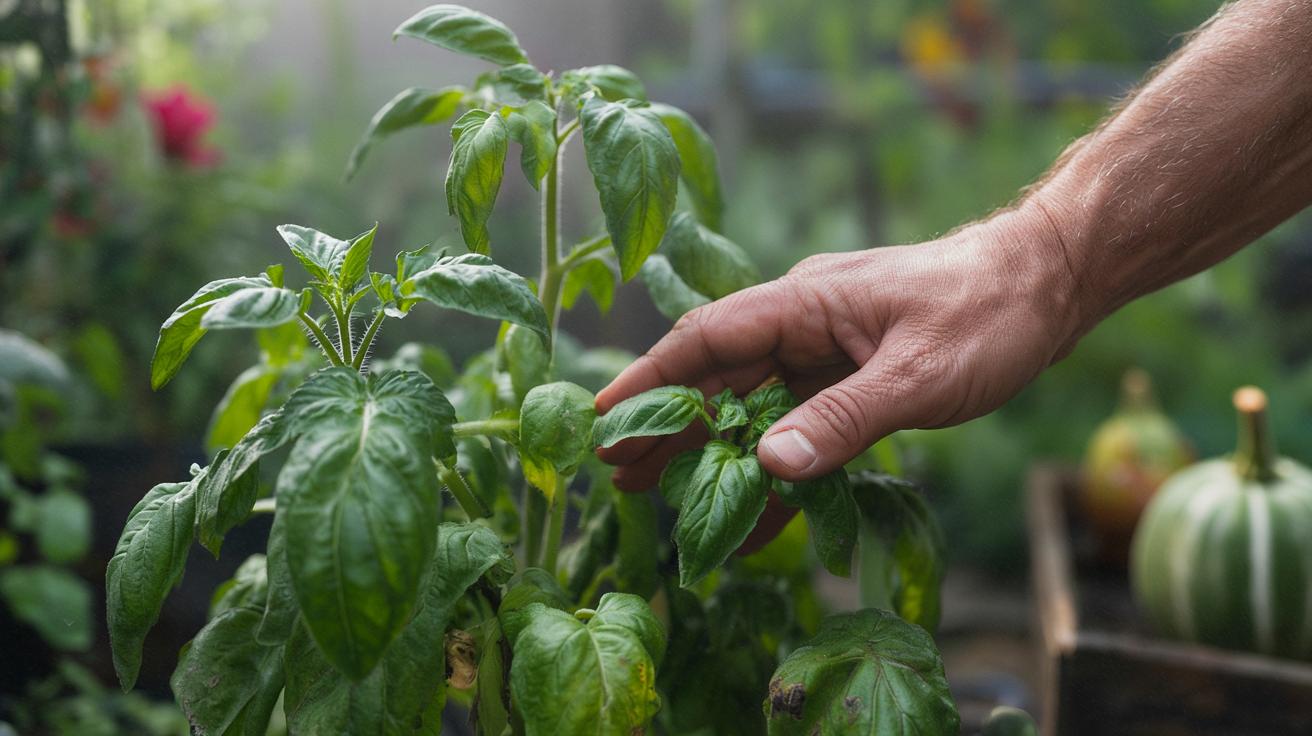
On a damp April morning, I watched my neighbor Lena crouch in front of her tomato bed, fingertips gliding over every leaf like she was reading braille. The plants looked healthy to me: evenly green, no obvious yellowing, nothing dramatic. She didn’t even glance at the color. She just frowned, rubbed one leaf between thumb and forefinger, and said quietly, “This one’s in trouble.” Two weeks later, that plant was the only one that didn’t get hit hard by blight.
Most gardeners are scanning for yellow, brown, or spots. Lena is hunting for roughness, blistering, or that papery feel.
She starts where the trouble really begins.
Why leaf texture whispers before color starts shouting
You notice it when you actually touch the plants. The leaf that should feel supple suddenly feels a little limp. The one that’s usually smooth feels sandy or grainy. A rose that normally has glossy, firm foliage develops a weird, almost bubble-wrap surface days before any color change. The eye still says “green and fine,” yet your fingers are already raising an eyebrow.
Color is late-breaking news. Texture is the rumor that turns out to be true.
Take basil, for example. On a sunny balcony in late June, the leaves might still look lush and emerald. But if you slide your fingers under the foliage, you sometimes feel a faint wrinkling, a slight thickness on the underside, or a tacky film. A few days later, downy mildew shows up as gray fuzz and yellow patches. The gardener who only watches color realizes something’s wrong when half the plant is already compromised.
The one who was paying attention to texture already thinned the foliage, improved airflow, and avoided overhead watering.
The science is simple: plant stress usually changes structure before pigment. When a plant is thirsty, cells lose turgor and leaves feel floppy long before they fade. When pests pierce or scrape tissue, they leave leaves pitted, buckled, or distorted, even while chlorophyll keeps them green for a while. Fungal spores roughen surfaces, thicken cuticles, or cause tiny blisters that fingers notice before eyes do.
**Texture is the early alarm system; color is the evacuation order.** One gives you days or weeks. The other gives you a panic moment with pruning shears.
How to “read” leaf texture like a quiet diagnosis
Start by building a muscle-memory library of what “normal” feels like in your garden. Pick one plant on a calm evening and run your fingers along several leaves: top, bottom, young, old. Notice the springiness when you press lightly. Notice if the skin feels waxy, velvety, or slightly rough. Do this once a week for a month and your hands will remember faster than your brain.
➡️ I made this comforting recipe with leftovers and it still tasted incredible
➡️ This is the easiest way to remember what you need when leaving home
➡️ This baked recipe proves that simple cooking can still feel special
➡️ This natural fertilizer works slowly but strengthens plants from the roots up
➡️ The common cause of low energy that has nothing to do with diet
➡️ I changed the way I end my day and cleaning became easier
➡️ If your routine feels heavier than necessary, this explains why
➡️ If your home feels crowded, this placement change helps
Then, on any random walk-through, one odd leaf will almost buzz in your fingers: too floppy, too thick, too stiff.
A classic starter exercise: tomatoes. Healthy tomato leaves feel softly fuzzy and flexible, with a gentle give when you bend them. When early blight or nutrient issues creep in, the leaves can feel leathery or brittle at the edges, even before they show spots. Powdery mildew on squash often starts as a faintly rough or dusty feel on the surface, long before the white patch is obvious. We’ve all been there, that moment when you tell yourself, “It’ll probably sort itself out,” and two weeks later you’re ripping out entire vines.
Texture checking shrinks that window between doubt and action.
The biggest mistake is treating texture checks like another chore on a never-ending list. Let’s be honest: nobody really does this every single day. The trick is to weave it into what you already do. While you deadhead flowers, water containers, or harvest herbs, let your fingers wander. Stroke, pinch gently, flip a leaf to the underside. *Turn routine tasks into tiny diagnostic scans.*
As one experienced grower told me:
“Color changes are like headlines. By the time you read them, the story has been unfolding for days. Texture is the quiet first paragraph you only catch if you’re actually paying attention.”
Then she summed up her habit in a simple mental checklist:
- Does this leaf feel different from last week?
- Does this leaf feel different from its neighbors?
- Does this leaf feel different from the rest of the plant?
- Is it softer, rougher, thicker, or stickier than usual?
- Is that change on just one leaf, one stem, or across the whole plant?
From casual touch to early rescue mission
Once you start noticing texture changes, you also start spotting subtle patterns: wilted tips by noon but perked up at dusk, suggesting underwatering rather than disease. Rough, mottled leaves near the bottom of a plant, hinting at soil splash and fungal spores. Sticky, shiny leaves signaling aphids before you can even see them. This is where your hands become your best diagnostic tool, not your phone camera.
You move from reacting to symptoms to *anticipating* trouble.
| Key point | Detail | Value for the reader |
|---|---|---|
| Texture changes precede color shifts | Wilting, roughness, blistering show up days before yellowing or spots | Gives extra time to act before problems spread |
| Hands build “normal” texture memory | Regular gentle touching of leaves trains your fingers to catch anomalies | Turns everyday tasks into early-warning scans |
| Texture hints at specific issues | Floppy, stiff, sticky, or leathery textures point to water, pest, or disease stress | Helps you choose the right response faster |
FAQ:
- Do I need gardening gloves off to feel leaf texture properly?Ideally, yes. Bare fingers pick up subtle differences in firmness, roughness, and stickiness that gloves often hide. If you must wear gloves, choose thin, flexible ones and occasionally slip a glove off for spot-checks.
- Which plants are best for learning texture changes?Tomatoes, roses, basil, cucumbers, and squash are great teachers. They show early texture shifts with pests and diseases, and they’re common in many gardens, so you can practice often.
- What does a “bad” leaf texture feel like?There’s no single “bad” feel, but watch for unusually flimsy, crisp, rubbery, sticky, or blistered surfaces compared with the rest of the plant. The key is difference, not a universal standard.
- Can leaf texture alone diagnose every problem?No. Texture is an early clue, not a full lab report. Use it to notice issues sooner, then combine it with visual signs, plant history, and growing conditions to narrow down the cause.
- How often should I check leaf texture in my garden?Once a week is enough for most home gardens, worked into normal care. Focus on high-value or disease-prone plants more frequently during peak season, especially in warm, humid weather.